

-
Prep Time20 minutes
-
Cook Time30 minutes
-
Serv SizeYield 2-quart jars 12 eggs each
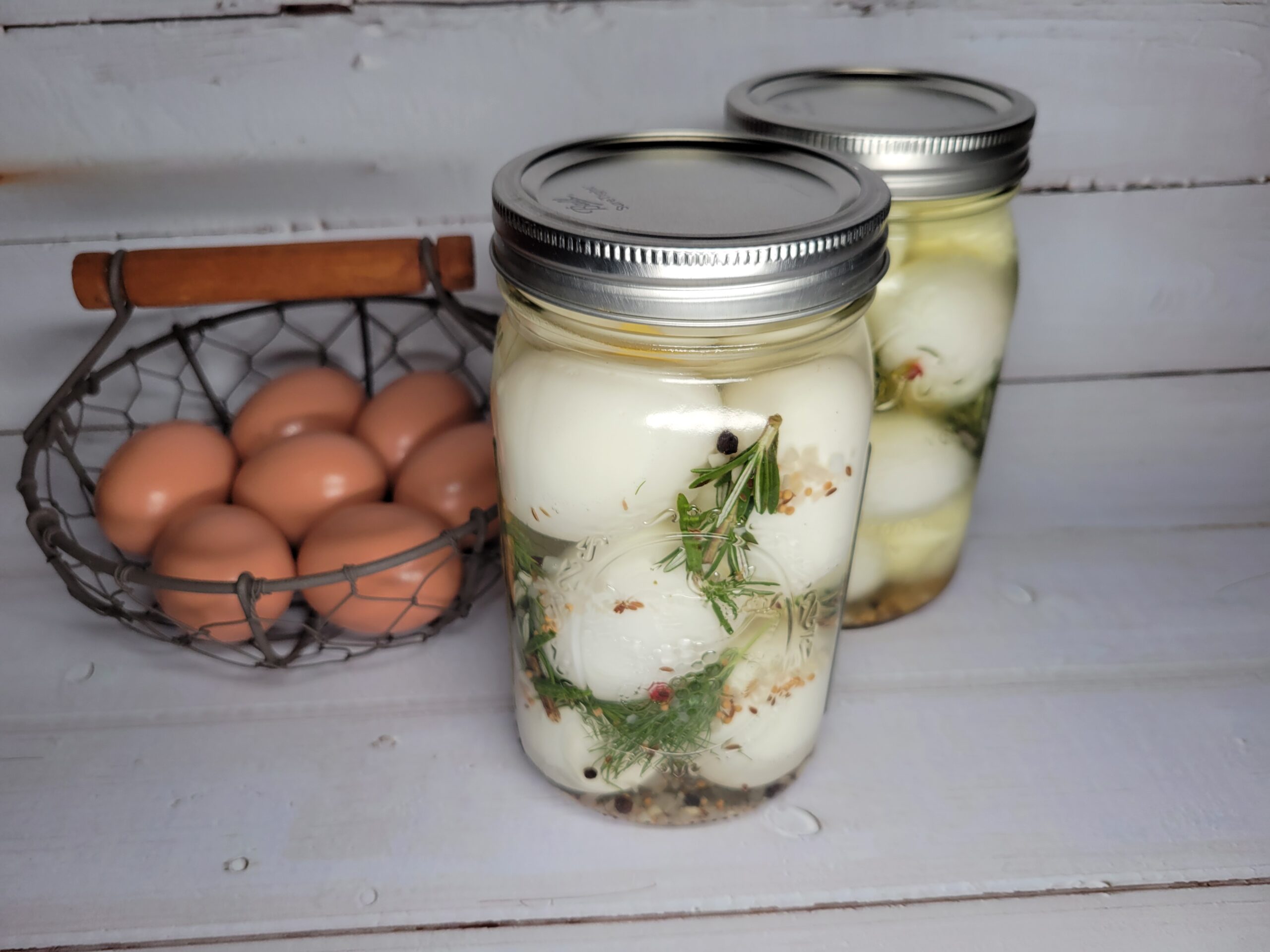
Delicious, pickled eggs make a great egg salad sandwich!
Ingredients
Directions
This recipe is for refrigerator pickled eggs. There are no home canning directions for pickled eggs that are safe. The following pickled egg recipe is for refrigerated storage. Pickled eggs should never be at room temperature except during serving, when they should be limited to no more than 2 hours in the temperature danger zone of 40 to 140 degrees F, according to the National Center for Home Food Preservation. The container used for the eggs should be one that can be closed or sealed tightly; glass canning jars work well. The eggs are to be completely covered with the pickling solution during storage. A quart-size canning jar will hold about one dozen medium-sized eggs. Storing Eggs After making the eggs, they require some time to season (i.e., pick up the flavors from the pickling brine). Keep them refrigerated at all times. If small eggs are used, 1 to 2 weeks are usually allowed for seasoning to occur. Medium or large eggs may require 2 to 4 weeks to become well-seasoned. Use the eggs within 3 to 4 months for the best quality.
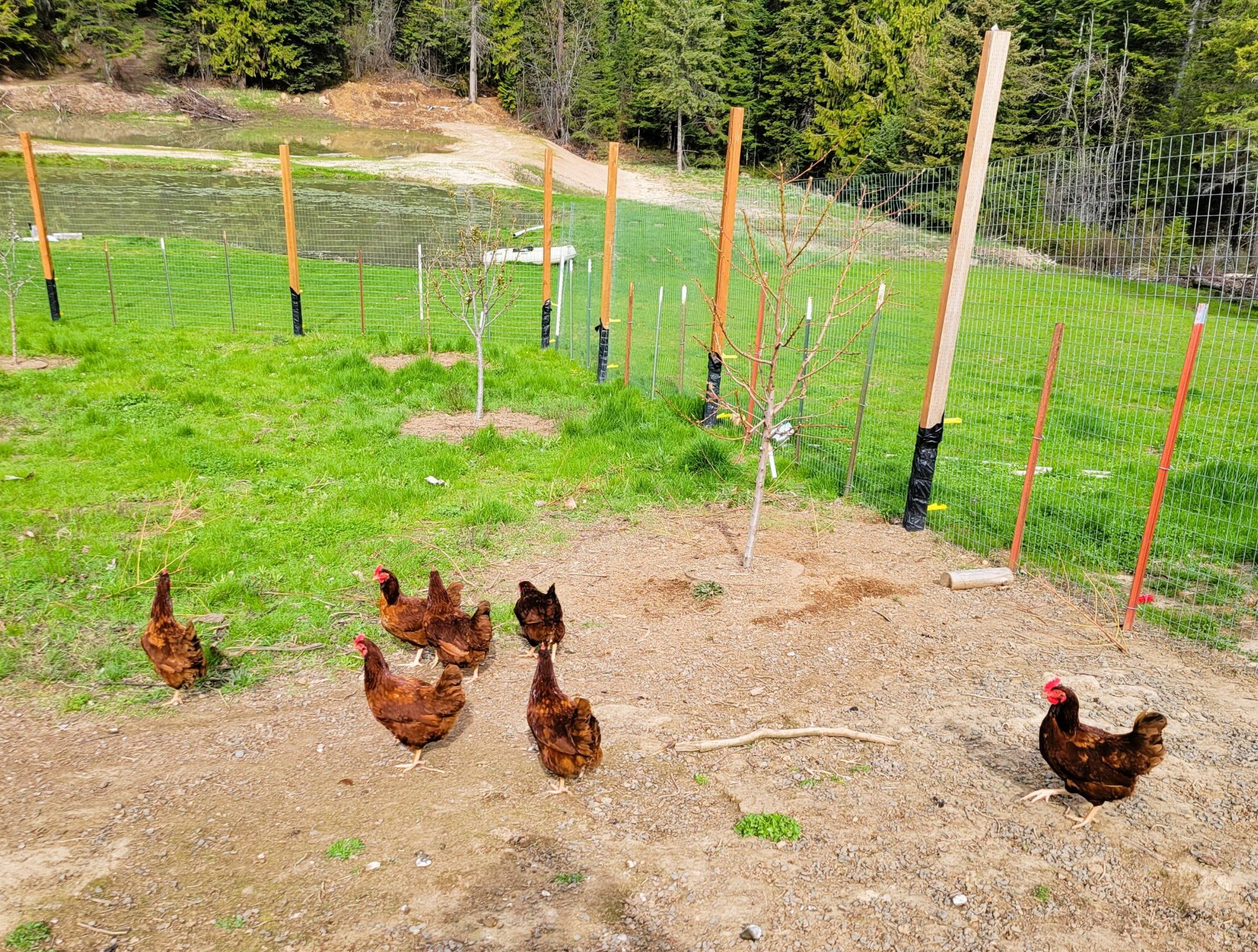
Boil eggs for 10-12 minutes then drain and run cold water over them or place them in an ice water bath for a minute. Fresh eggs are best; however, if they are too fresh, they can be difficult to peel and may fall apart. Eggs a few days old are the best to use, or just purchased from the grocery store. Fresh eggs have a naturally low pH, which makes the whites cling tightly to the shell and causes them to peel poorly. After about 7–10 days, the pH rises and a small air pocket forms inside the egg, allowing the shell to release much more cleanly. I like to use the Agriculture Institute as a trusted, reliable source on eggs when I’m researching details for my recipes, so I’m sharing the link here: Agriculture Institute
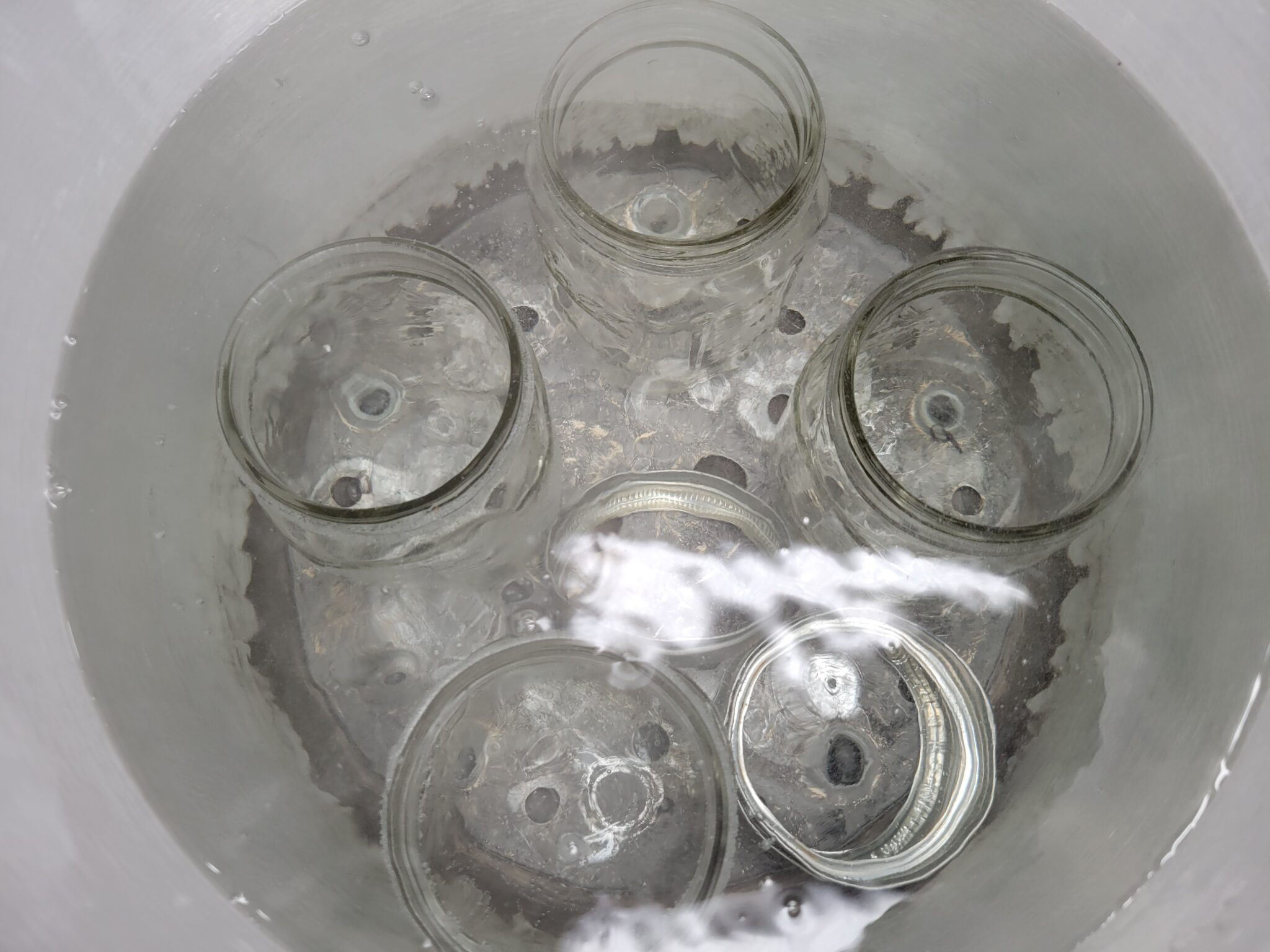
Bring a large pot of water to a rolling boil. Boil canning jars and rings for at least 10 minutes prior to canning.
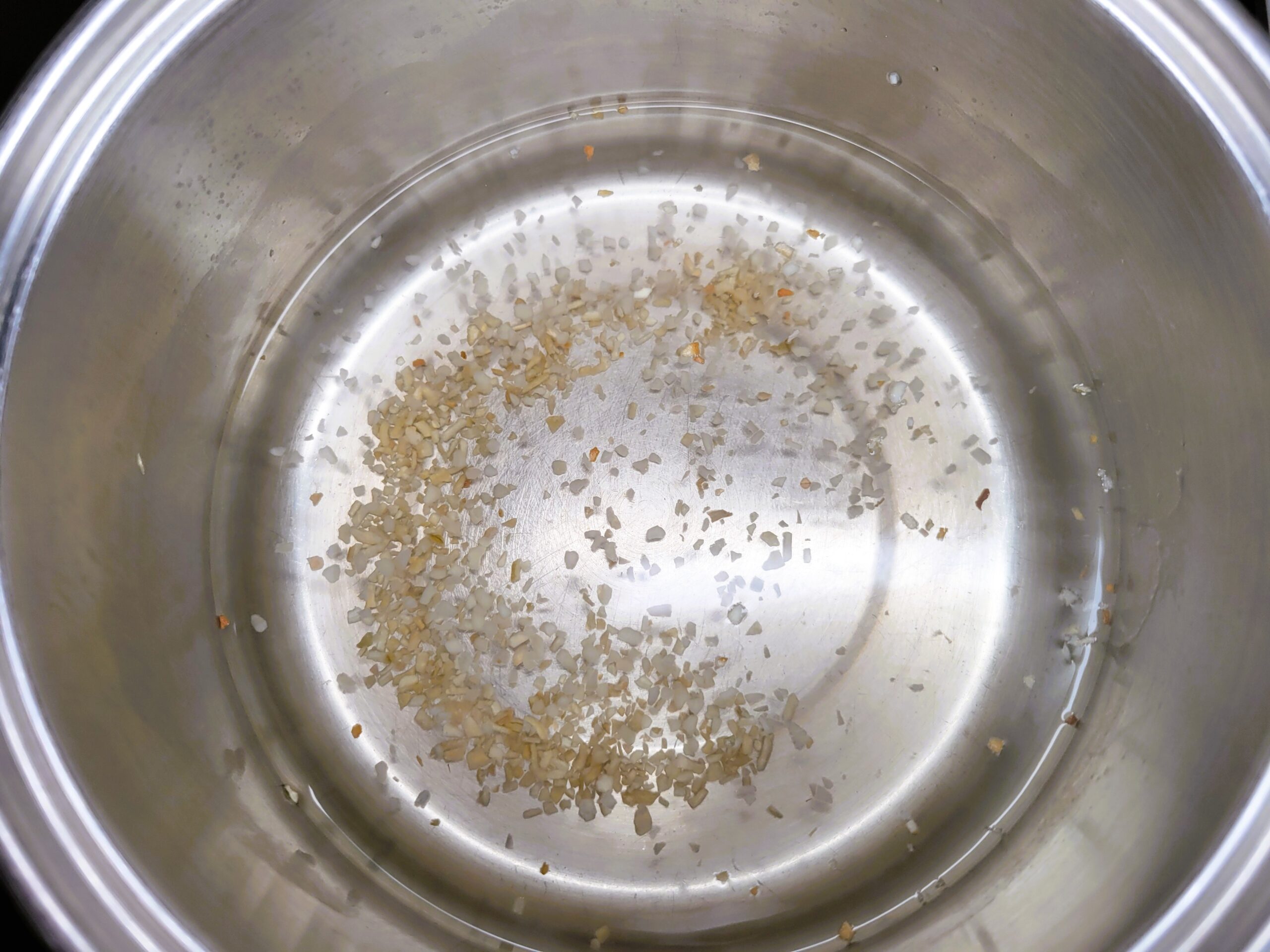
Prepare the pickling solution. In a stainless-steel medium saucepan on high heat, add 3 cups of white vinegar, 2 cups of water, 2 teaspoons of dehydrated or fresh minced onion, 5 teaspoons of pickling salt, 3 minced garlic cloves, and 1 tablespoon of granulated sugar. Bring to a boil.
Peel the hard-boiled eggs. Once the jars are out of the boiling water, add to each jar the following: 1 teaspoon of peppercorns, 2 teaspoons of dill seed, and 2 teaspoons of mustard seeds. Next, place 3 boiled eggs at the bottom of the jar, then add sprigs of rosemary and dill. Then add 3 more eggs and more sprigs, keep layering until full. Don't forget that the eggs need to be completely submerged in liquid to be safe, so don't pack them too full. Pour the hot pickling solution over the eggs and seal. Allow to cool enough to put into the refrigerator. Enjoy!
Conclusion
Kitchen Tools :Need some tools or ingredients to make this recipe? Use my Amazon Affiliate links to shop. I will make a small commission and it doesn't cost you any extra. Thank you for visiting.
Morton Canning & Pickling Salt, 4 Pounds Dill Seed Whole McCormick Culinary Whole Yellow Mustard Seed Composite Wood Cutting Board 8 x 12 Chicken Wire Egg Baskets with Wooden Handle


Leave a Review